

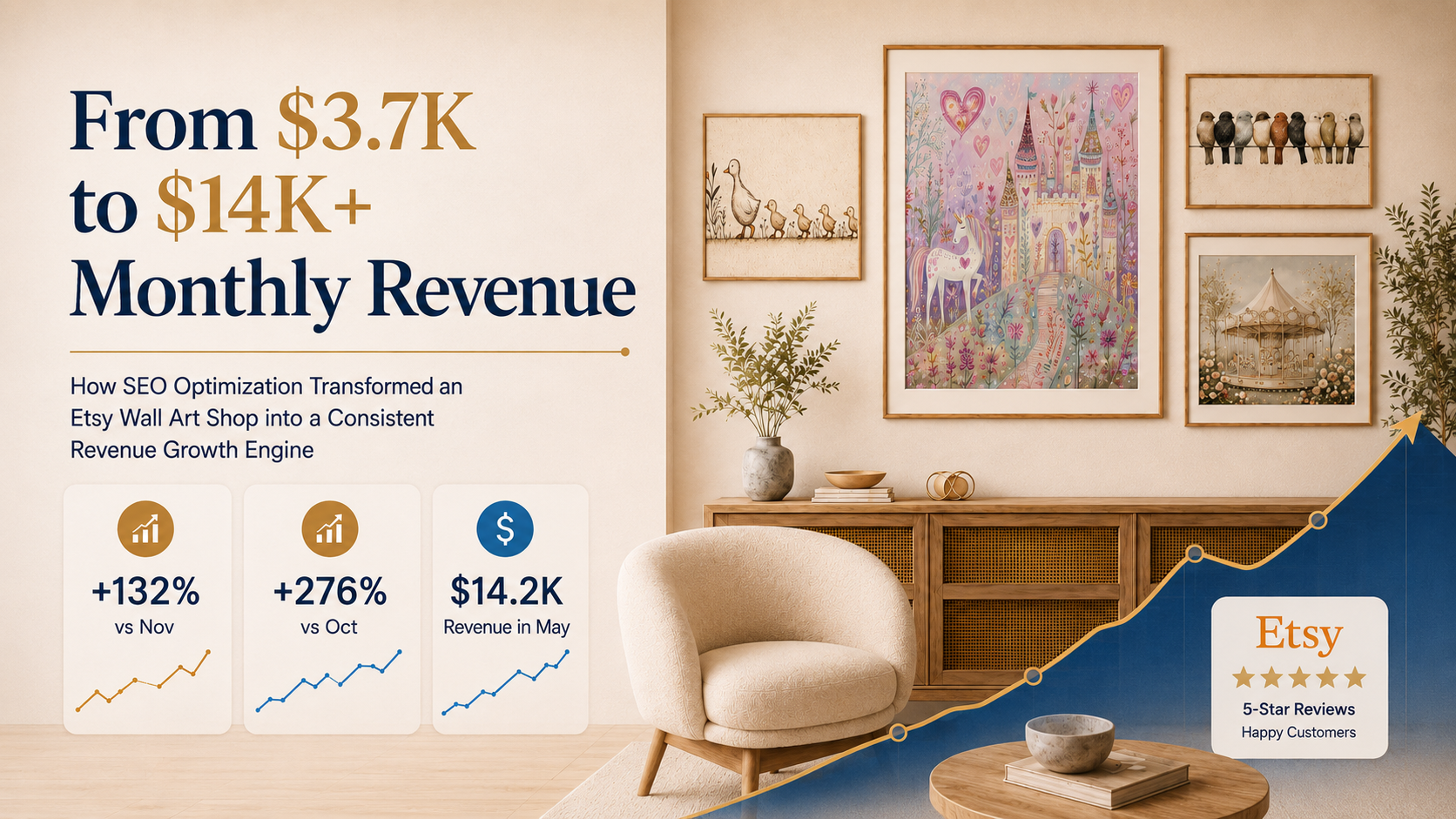
SeaofGlassEternalArt: From $3.7K to $14K+ Monthly Revenue Growth. Transformation That Delivered ~4x Revenue Increase Beyond the Holiday Season
How strategic Etsy SEO optimization turned a $3.7K/month wall art print shop into a $14K+ revenue growth business, driving 132%+ peak-season growth and 276%+ increase in sustained year-round performance.
Real Testimonial
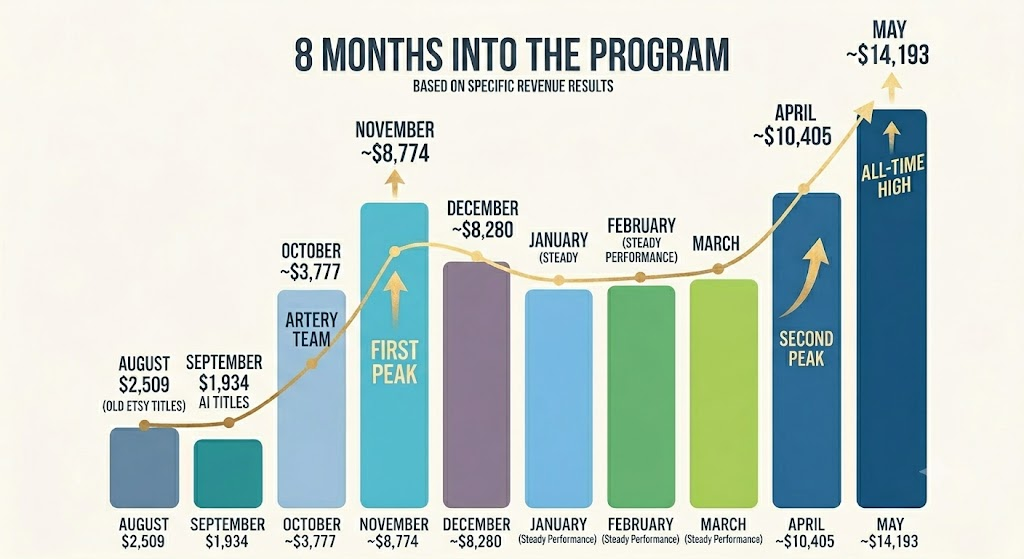
+132% Revenue growth vs Nov
+276% Revenue growth vs Oct
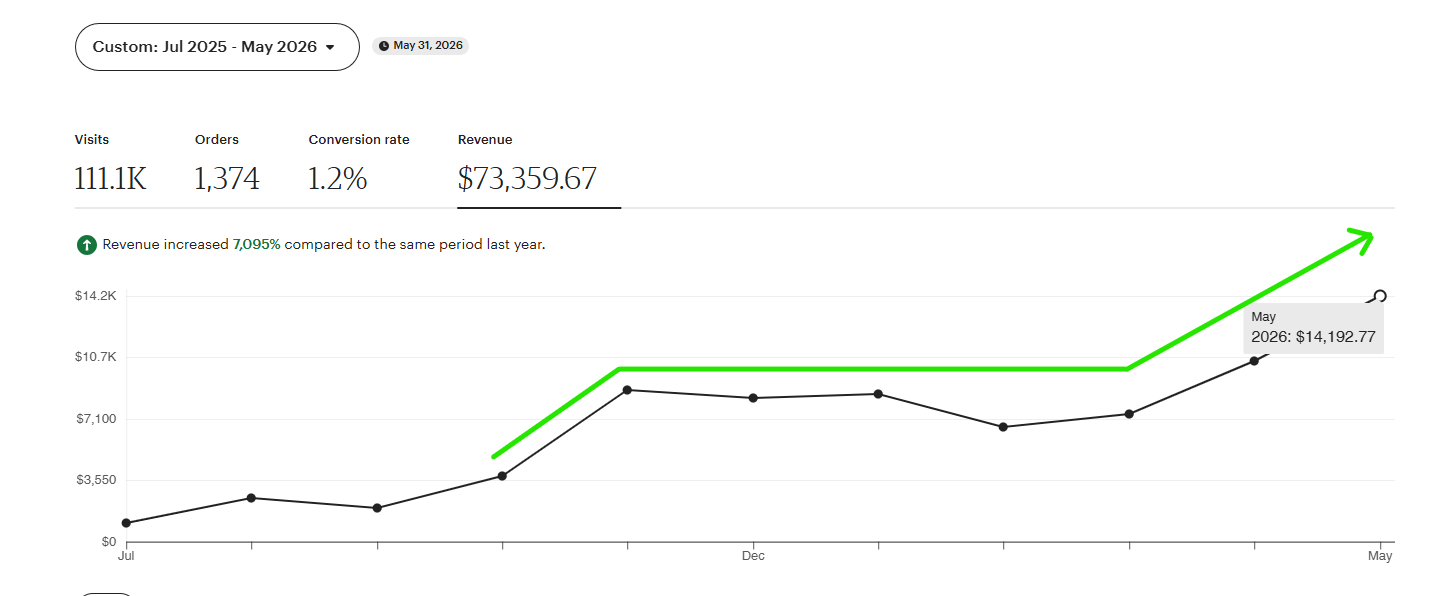
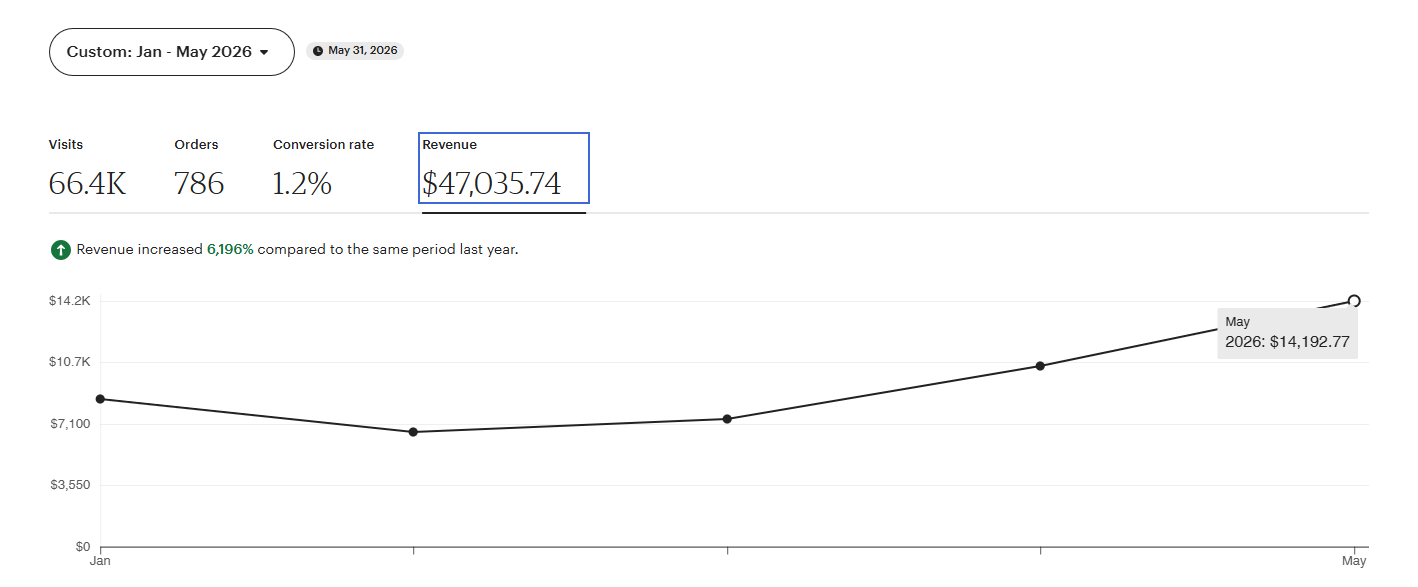
$14.2K Revenue in May
1.4% Conversion rate in May
Client Overview - A shop with strong creative foundations that needed SEO to match.
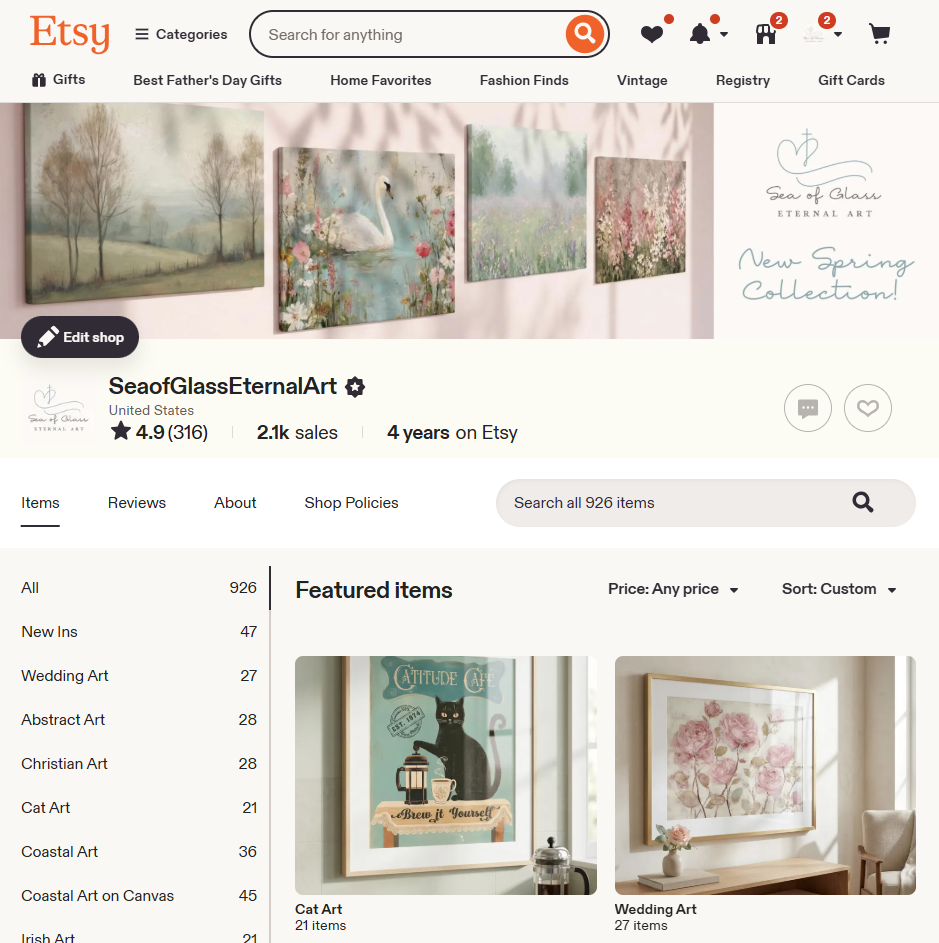
SeaofGlassEternalArt is a wall art Etsy shop specializing in decorative canvas prints designed for home décor and gift-giving occasions.
When the client approached us, the store was already generating a stable monthly revenue of approximately $3,700. However, the main goal was clear - prepare the shop for the high-competition Q4 holiday season and build a scalable foundation for long-term growth beyond seasonal peaks.
Although the shop had been active for a few years, its growth had only recently accelerated after shifting from digital prints to physical products. While sales were increasing steadily, visibility and search reach were not yet fully optimized.
From our side, we identified strong product-market fit. The designs were highly giftable, visually strong, and already had proven sales history, but the SEO structure was limiting discoverability in Etsy search.
That’s where our SEO audit and optimization work came in.
Challenges
Before implementing any changes, we conducted a full Etsy SEO audit covering:
- Listing titles and tag structure
- Keyword mapping across all products
- Search visibility and traffic sources
- Seasonal positioning strategy
- Performance of inactive vs active listings
- Paid ads align with organic search
- Ideas for new products to target different niches.
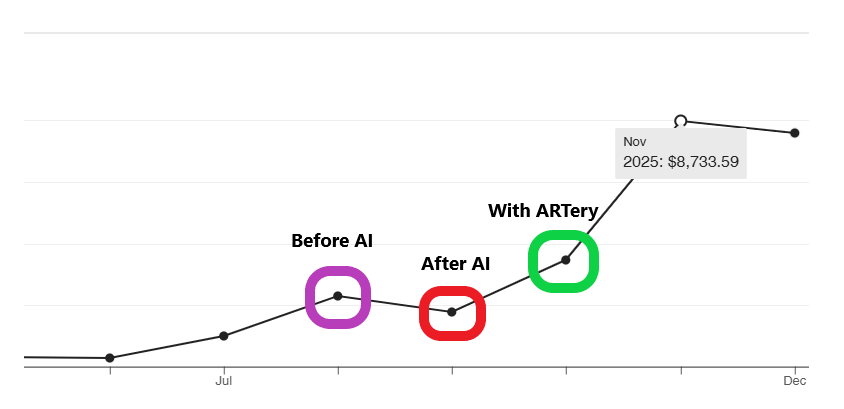
One of the biggest findings from the SEO audit was the impact of Etsy’s AI-generated titles. In August, the shop was still using its original titles and performing strongly as it entered the start of Q4, which is the busiest shopping period of the year. However, after switching to AI-generated titles in September, following Etsy’s newly introduced feature, performance declined significantly. While many sellers adopted AI titles as a quick and seemingly effective optimization solution, the results were quite the opposite.
Revenue dropped by 23% during a period that would typically be expected to drive growth, making the title change one of the most significant factors identified during the audit.
What we found
1. Limited keyword depth across listings because of AI-generated titles
Most listings were optimized only for primary keywords, with minimal coverage of long-tail and intent-driven search queries such as gifting, occasion-based, emotional, and style-specific searches.
Example:
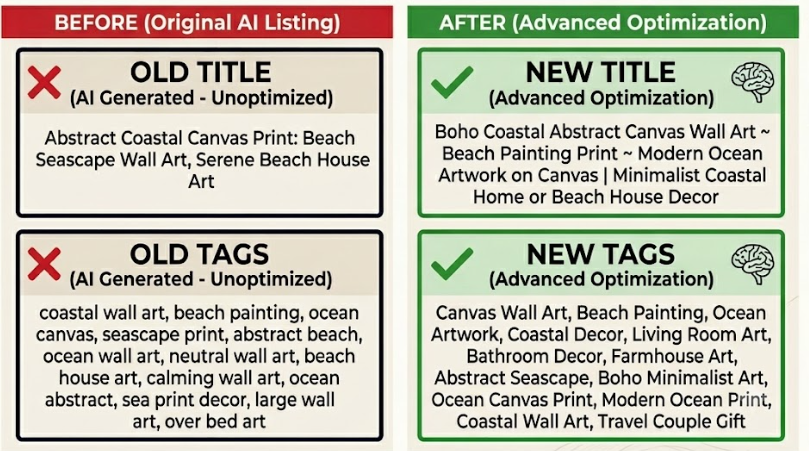
A product like “Abstract Coastal Canvas Print: Beach Seascape Wall Art, Serene Beach House Art” - was primarily targeting 1-3 core phrases.
There were no keywords or long-tail search intent, such as:
- Gift/Seasonal niches (“Gift for Her”, “Unique Summer Wall Print”, “Gift for Travel Couple, Vacation Couple Gift)
- Use intent (“Bedroom Decor”, “Beach House Wall Art”, “Living Room Print”)
- Emotional Intent (“Sentimental Gift”, “Anniversary Wall Art Print”)
- Style keywords (Boho, Minimalist, Modern)
We discovered the use of Etsy’s integrated AI-generated titles, which can limit product visibility by producing short, repetitive phrasing titles. In addition, the AI does not take performance data into account and instead builds titles based only on the description, images, and existing title, which is not an effective strategy in the long term.
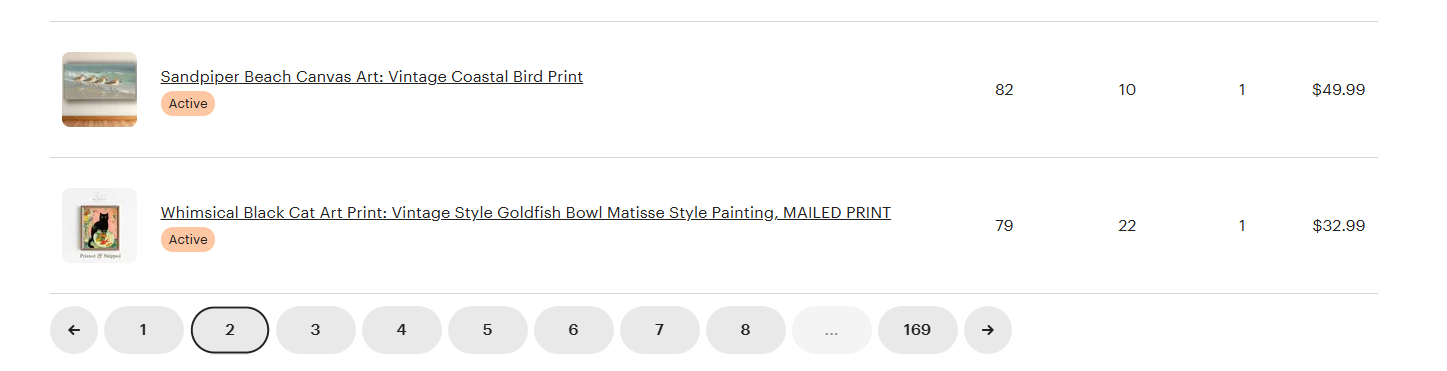
2. Internal keyword competition (SEO cannibalization)
Multiple listings were targeting the same keyword groups, causing internal competition for impressions rather than expanding overall reach, which is the effect of the AI-generated titles
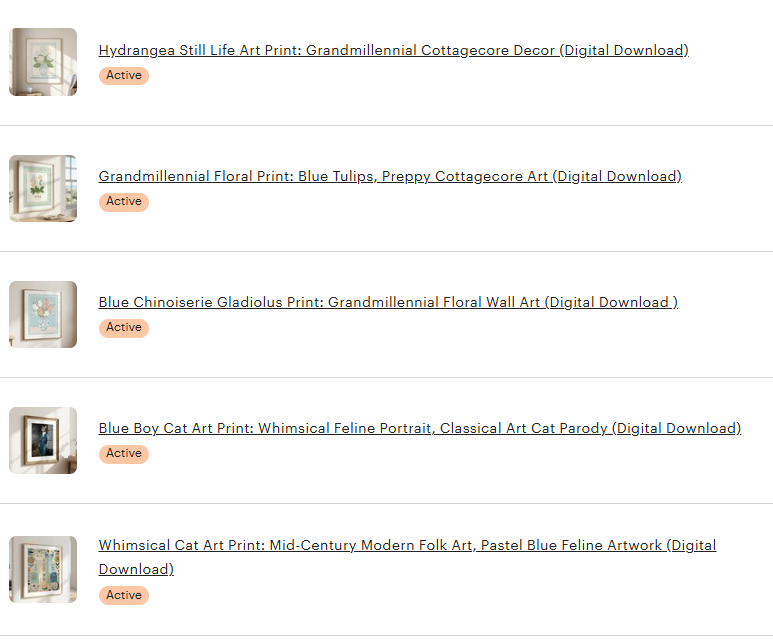
As a result, Etsy’s algorithm was distributing visibility inefficiently across overlapping products instead of scaling exposure.
The Initial Strategy - targeting Q4 peaks
Based on the audit, we focused on rebuilding the shop’s SEO foundation across four core areas:
1. Full keywords restructuring
We rewrote listing titles, tags, categories, and attributes based on:
- Primary search intent (core product keywords)
- Secondary intent (gift, décor, occasion-based searches)
- Etsy search trends and curated results (landing pages)
- Seasonal demand shifts
This expanded each listing’s ability to rank across multiple buyer intents rather than a narrow keyword set. Also, we switched from AI to titles and tags to SEO optimization based on actual statistics, landing pages, and better readability, decor, and seasonal keywords
2. Seasonal SEO tags implementation - focus on Q4
We built a structured seasonal keyword strategy across the entire shop, aligning listings with key seasonal/occasional events:
- Autumn / Fall décor demand
- Halloween & Thanksgiving gifting
- Christmas peak season
Instead of treating seasonality as campaigns, we integrated it into the permanent SEO structure of the shop.
3. Reactivation of high-potential listings
We re-optimized and reintroduced previously successful listings that were sold out or inactive by:
- Updating titles and tags based on historical search data
- Aligning them with updated keyword clusters (new niche trending tags)
- Reinserting them into seasonal visibility cycles
4. Paid ads vs organic SEO alignment
We audited and adjusted the existing $25/day Etsy Ads strategy to support organic performance.
Key improvements included:
- Removing low-performing or irrelevant keywords
- Prioritizing best-sellers and seasonal winners
- Rotating ad strategies based on performance
- Increasing budget ahead of peak seasonal periods
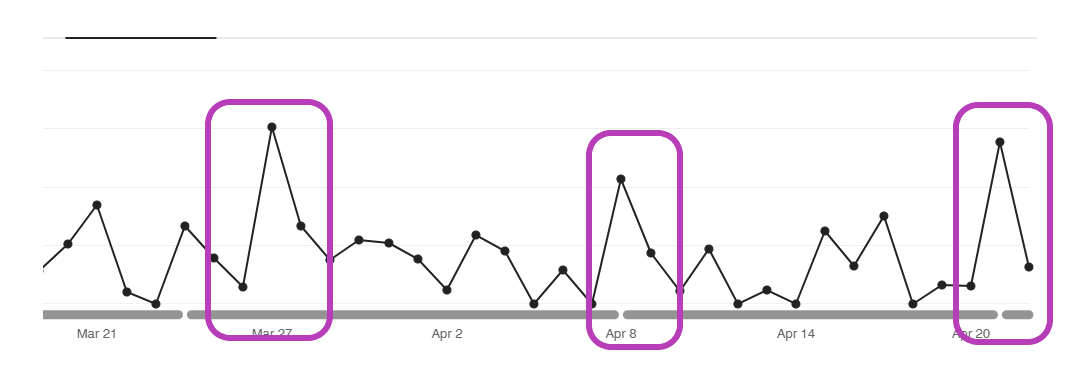
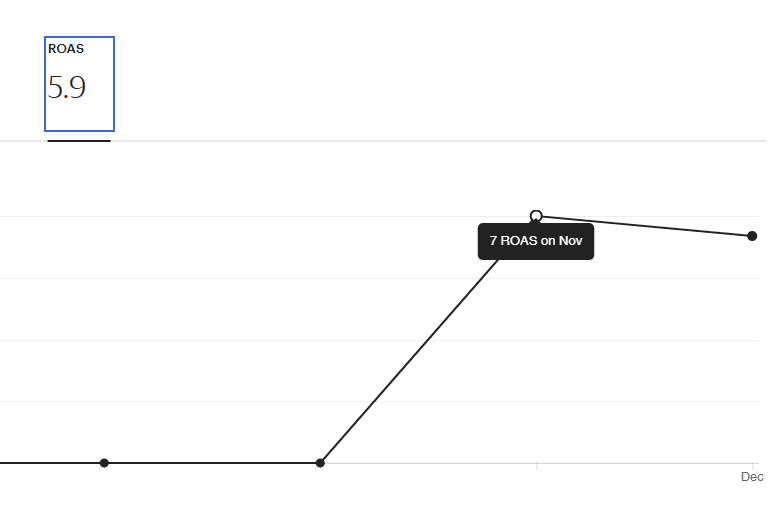
We scaled the Ads performance during Q4 and reached 700% ROAS in November, with an ~600% during November and December.
Post-holiday season - solidifying new levels
The SeaofGlassEternalArt had officially broken through its previous ceiling, but the real test hadn’t arrived yet. Because on Etsy, almost every holiday success story ends the same way with a January collapse, and in January was the breakthrough.
After the holiday season, we specifically monitored whether performance would drop, which is typical for Etsy shops.
Instead, we observed:
- Stable revenue retention post-December
- Continued growth into January and February
- Increased organic visibility across multiple categories
- Stronger conversion consistency across listings
- We performed optimization towards St.Valentine’s Day & St. Patrick’s Day
- We switched the keywords for Mother’s Day, Father’s Day & Graduation
The shop did not depend on the holiday spike anymore.
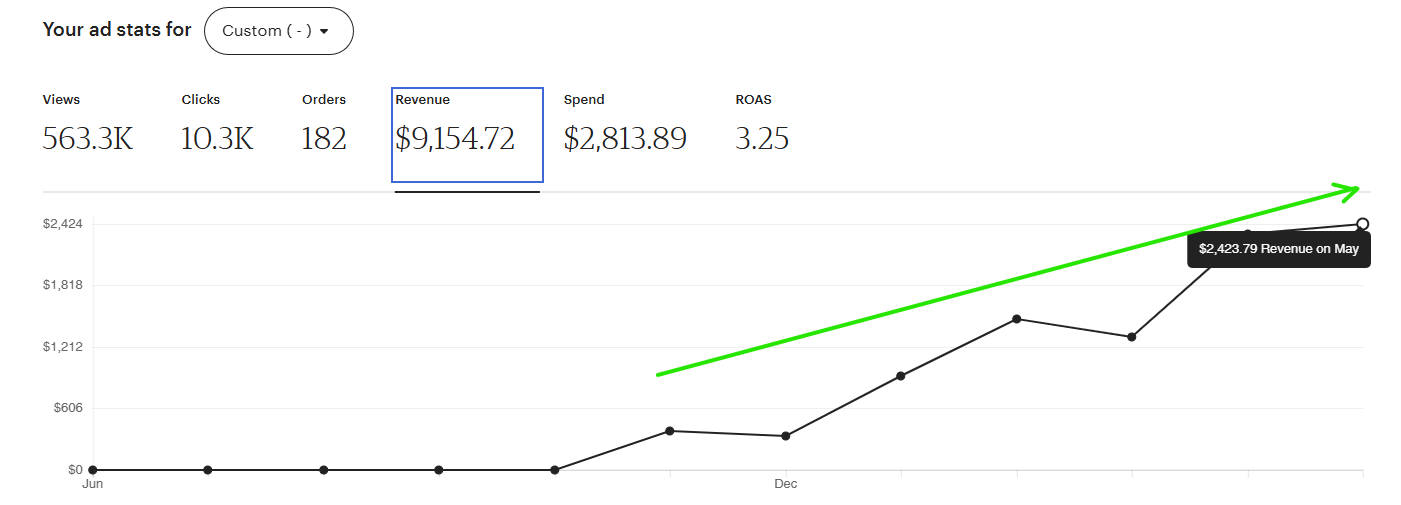
The Revenue from the ads continues to increase post-holiday season
8 months into the program - Revenue Overview
Conclusion
The Q4 holiday period acted as a growth catalyst, but the real results were the long-term structural transformation of SEO implemented across the shop.
By expanding keyword depth, eliminating internal competition, AI titles, reactivating high-performing listings, and aligning the entire product line with seasonal search behavior, SeaofGlassEternalArt transitioned from a stable but limited-growth store into a scalable, year-round performing business.
Instead of relying on seasonal spikes, the shop now maintains consistent visibility and revenue across multiple periods with continued upward momentum beyond the initial optimization phase.

